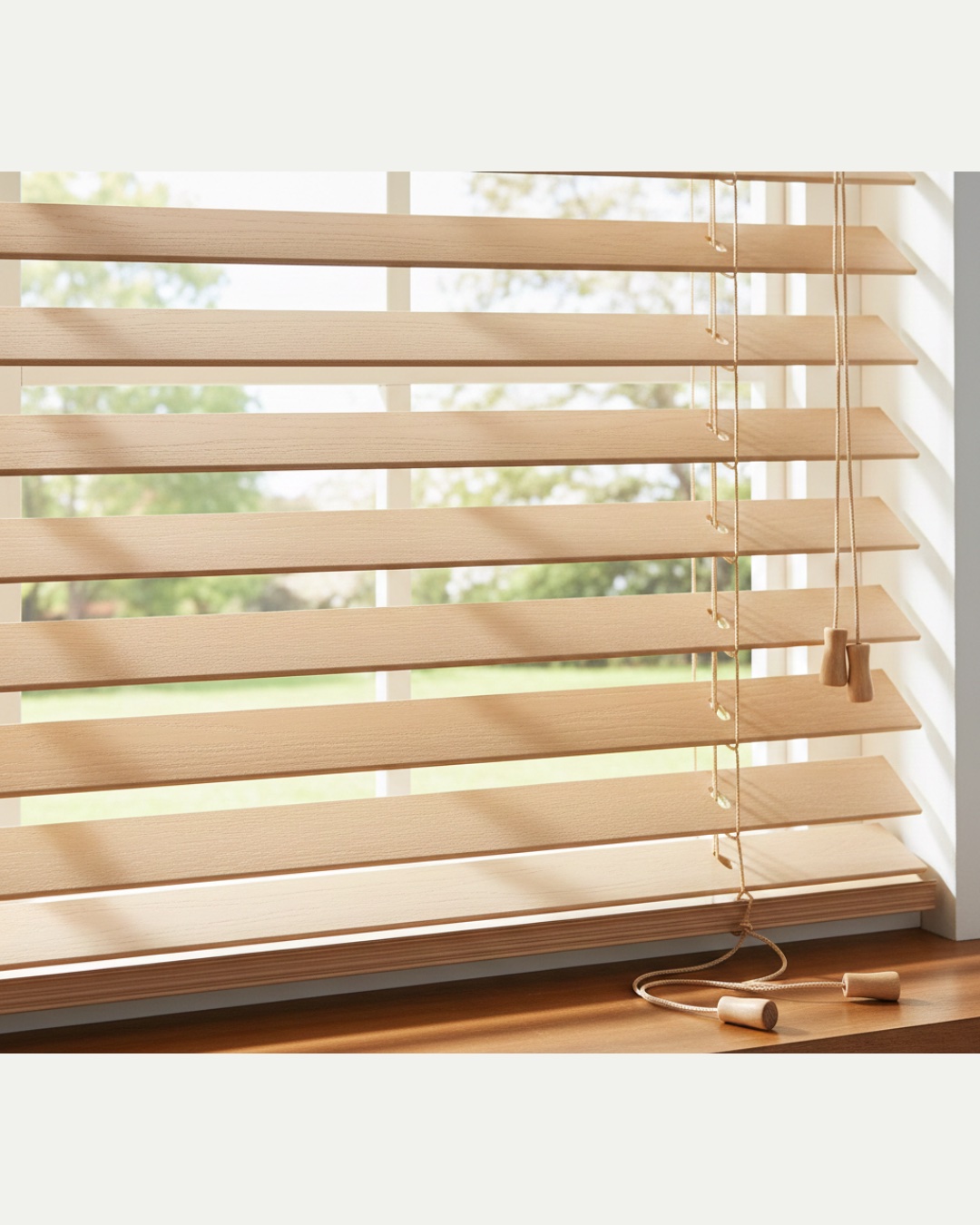
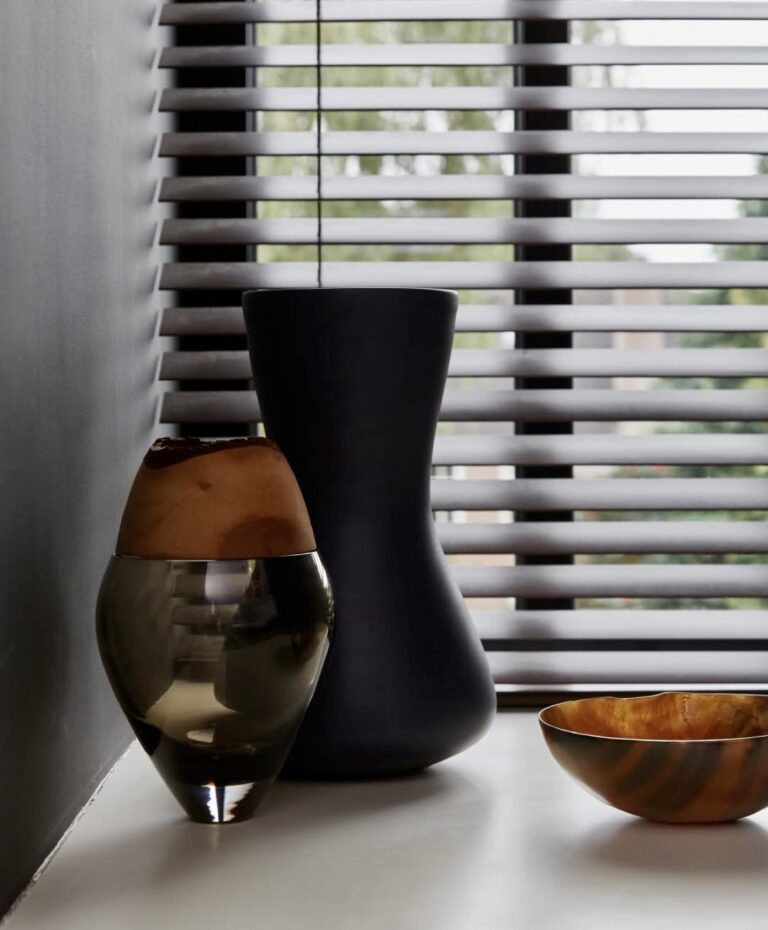
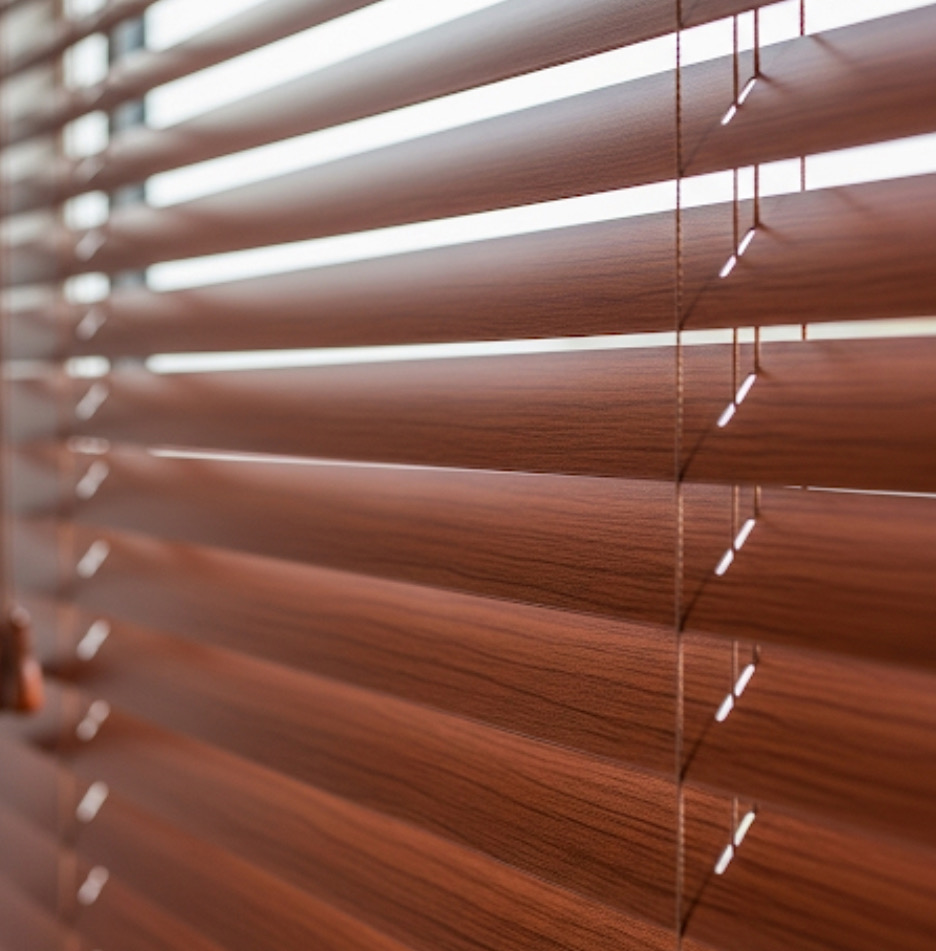
Wooden venetian blinds perform best in rooms with stable humidity levels and moderate to good ventilation. In the South African context, this covers the majority of residential living spaces in Johannesburg, Pretoria, Cape Town, Port Elizabeth, Bloemfontein, and inland towns. Coastal cities like Durban and East London are also suitable, provided the specific room is not directly exposed to sustained moisture or condensation.
Ideal rooms: Bedrooms, living rooms, studies, home offices, dining rooms, and formal lounges. These are dry spaces where the blinds stay at a consistent temperature and humidity level, and where the natural beauty of the wood is most visible and appreciated.
Proceed with caution: Kitchens with good extraction and ventilation can work, but position the blinds away from direct steam sources. Conservatories and sunrooms work provided there is airflow to prevent trapped humidity.
Avoid: Bathrooms, laundry rooms, enclosed kitchens without extraction, and any room where condensation forms regularly on the window glass. Sustained moisture causes real wood to warp, swell, and eventually crack. For these rooms, aluwood venetian blinds give you the look of wood with full moisture resistance, or plaswood venetian blinds offer a budget-friendly waterproof alternative.
Width limit: Wooden blinds are heavier than aluminium or plaswood. For windows wider than approximately 1800mm, a split configuration using two blinds mounted side by side is recommended. This keeps the blind weight manageable, prevents cord strain, and makes daily operation easier. Your measurements will flag this during the ordering process on the shop.