
Shade Solutions – Awnings, Blinds, Shade Sails & Shade Ports for the Garden Route
Shade becomes important when a space stops working. When a room overheats, a patio is too bright to enjoy, screens are hard to see or your guests drift away from certain areas because of heat and glare. The right shade solution removes those everyday frustrations and makes the space calmer, cooler and easier to live in.
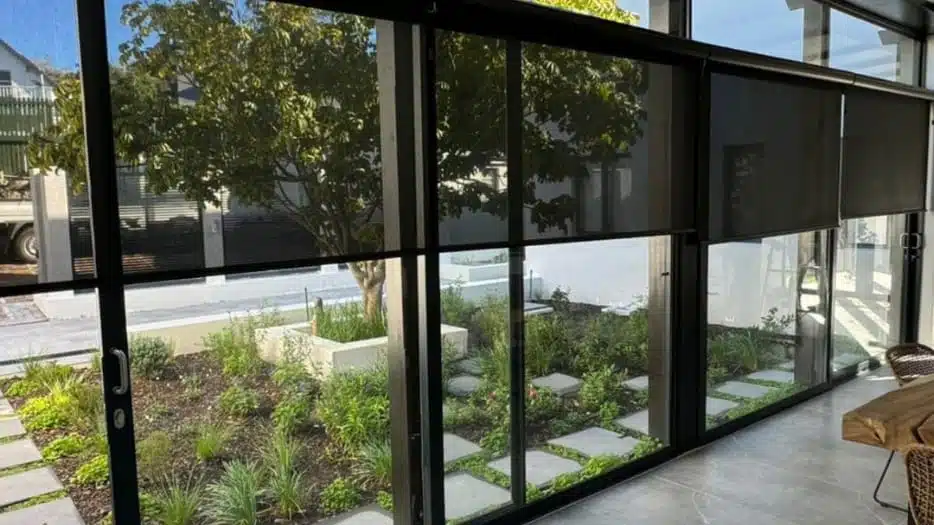
What kind of shade do you need?
☂️
Awnings
Patios, decks, storefronts
🏠
Outdoor Blinds
Wind, rain & UV protection
⛵
Shade Sails
Pools, courtyards, play areas
🚗
Shade Ports
Vehicles, parking, hail cover
Custom Blinds has installed 8,000+ shade solutions across the Garden Route since 2010. Independent. Not a franchise.
When does shade become a real need in South Africa?
You might recognise some of this:
- Your room heats up during the day and never really cools down
- Your TV or computer screens are hard to see because of glare
- Early morning sun wakes you or the family before you are ready
- Your patio or deck looks beautiful, but is too bright or hot to use
- Your flooring, furniture or artwork are fading from strong UV
- Your workspace feels harsh and tiring because of constant bright light
- Guests or customers avoid certain seats because the sun is too strong
- Your vehicle bakes in the driveway and the interior is too hot to touch
The right shade solution changes that, so the space becomes easier to use and more comfortable to be in every day.
Which shade product suits each space in your home – matching the product to the problem
Different spaces need different shade approaches. A patio needs overhead protection and side screening. A bedroom needs darkness on demand. A pool needs broad cover that handles wind. A driveway needs hail and UV protection for vehicles.
Patios and braai areas
Awnings provide overhead shade. Outdoor blinds in sheerweave mesh handle the sides – reducing glare and heat while keeping airflow and views. Together, they turn an exposed patio into a comfortable outdoor room.
Pool and entertainment areas
Shade sails provide broad, tensioned cover that handles wind well. They are ideal for pools, courtyards and play areas where you need large-area shade without posts or heavy structures.
Driveways and parking
Shade ports protect vehicles, boats and equipment from UV, heat and hail. A shade port reduces interior temperatures significantly and prevents paint and dashboard damage.
Indoor rooms
Roller blinds soften light without darkening rooms. Honeycomb blinds insulate against heat through glass. Venetian blinds redirect light away from screens and seating.
Which indoor shade products are available?
Indoor shade is about controlling brightness and heat without losing the feel of the room.
Roller blinds
Sheer and light-filtering fabrics reduce glare while keeping rooms bright. Blockout fabrics create full darkness for bedrooms, nurseries and media rooms.
Roller blinds · Roller blinds guide
Duo roller blinds
Alternating sheer and solid bands on a single fabric. Rotate to soften light, reduce glare or create privacy in one clean system.
Duo roller blinds · Zebra blinds guide
Honeycomb blinds
Their cellular structure traps air, reducing heat transfer through glass in summer and heat loss in winter. Rooms stay noticeably cooler without air conditioning and warmer without heating. Available in light-filtering and blockout options.
Buyer’s guide · Energy saving guide
Venetian blinds
One of the most practical ways to control light and glare. Tilt the slats to direct sunlight exactly where you want it.
- Wood venetians – warm, natural shade
- Synthetic venetians – moisture and coastal areas
- Aluminium venetians – crisp, modern look
Vertishades
Vertishades combine vertical blind function with soft fabric panels. They work well on large windows and sliding doors where horizontal blinds do not suit the opening.
Bamboo blinds
Filter sunlight into a soft, dappled glow. Natural, eco-friendly and high-end.
Bamboo blinds · Bamboo blinds guide
Indoor shutters
Structured shade and precise light control. Adjustable louvres angle light away from screens, furniture or seating without needing full darkness.
Which outdoor shade products are available?
Outdoor shade is about making patios, decks and entertainment areas comfortable throughout the day. The most effective outdoor shade comes from combining sheerweave outdoor blinds with well-designed shade structures. A patio that currently empties at 2pm because of direct sun can become an all-day space with the right combination of overhead cover and side screening.
Sheerweave outdoor blinds
Outdoor blinds in Sheerweave mesh fabrics soften harsh sun, reduce heat, cut glare and filter UV, all while keeping your patio open, airy and comfortable.
- Different openness levels providing approximately 70 to 95 percent coverage
- Noticeable reduction in heat and glare
- Maintains airflow and visibility so the space does not feel closed in
- Ideal for patios, decks, restaurants and braai areas
Awnings – retractable, folding arm and louvre
Awning systems provide overhead shade through different mechanisms. Patio shade awnings for adjustable canvas shade over entertainment areas. Folding arm awnings project out over larger patios and restaurant terraces without requiring posts, keeping the space open and easy to move through.
Louvre awnings deserve special mention. Their adjustable aluminium blades tilt for precise sun and rain control – fully open for winter warmth, angled for partial shade, or fully closed for rain protection. Motorised versions with Somfy sensors adjust automatically based on sun intensity and wind speed. This makes them one of the most versatile outdoor shade products available, particularly for coastal homes where conditions change rapidly.
All awning types · Awnings on the Garden Route · Outdoor blinds vs awnings
Shade ports
High-quality shade ports reduce heat, filter UV and protect vehicles, boats and outdoor equipment, giving you long-term peace of mind and a cleaner, cooler parking area.
Shade ports · Shade ports comparison
Shade sails
Shade sails provide broad, soft shade for pools, courtyards, gardens and outdoor play areas with a modern architectural look. They handle wind well because of their tensioned design and can cover large areas that would be impractical for rigid structures. Multiple sails in different configurations create layered shade patterns that are both functional and visually striking.
How does shade save energy through thermal insulation – shade that saves energy
Shade is not just about blocking brightness. Windows are the biggest source of heat gain in summer and heat loss in winter. The right products reduce both, making rooms more comfortable and lowering energy costs.
Honeycomb blinds are the standout performer here. Their cellular structure creates an insulating air pocket between the glass and the room. On the Highveld, where summer temperatures soar and winter mornings can be near freezing, the difference is immediate and measurable. In the Karoo, where temperature swings of 30 degrees in a single day are normal, honeycomb insulation keeps rooms stable without relying on air conditioning or heating.
Blockout roller blinds with reflective backing also reduce solar heat gain. Combined with correct fabric choice, indoor blinds become a passive climate control system that works whether the power is on or not – valuable during loadshedding.
How does shade work across South African climates?
Along the Garden Route and coastal areas, shade needs to handle intense UV, variable cloud cover and wind. Sheerweave outdoor blinds, retractable awnings with wind sensors and shade sails for pool areas are the foundation. Material specification matters – our coastal durability guide covers what lasts.
On the Highveld and in Gauteng, extreme summer heat followed by dramatic afternoon storms means shade structures need to be robust and, ideally, retractable or sensor-automated. Honeycomb blinds manage the temperature extremes between seasons. Shade ports protect vehicles from the hail that costs Gauteng drivers billions annually.
In KwaZulu-Natal, high humidity combined with strong sun makes airflow essential. Sheerweave outdoor blinds that reduce glare without trapping heat, and shade sails over pools and entertainment areas, are the most common starting points.
In the Karoo and inland areas, relentless sun and extreme temperature swings call for honeycomb insulation indoors and fixed shade structures outdoors. Louvre awnings work well here because they can be fully open for winter warmth and closed for summer shade.
How does shade connect to everything else in your home?
Shade products often solve more than one problem at once. The sheerweave blind that blocks glare also gives you daytime privacy. The awning that shades your patio also provides weather protection from light rain. The security shutter that protects your holiday home also blocks intense afternoon sun through west-facing glass.
Automation makes shade management effortless. Somfy sun sensors extend awnings when UV intensity rises and retract them when wind picks up. Motorised indoor blinds close on a schedule to protect furnishings from afternoon sun. Motorised blinds guide.
Custom Blinds is the only South African company that covers indoor blinds, shutters, awnings, outdoor blinds, shade structures, screens and automation under one roof. One consultation covers shade, weather, privacy and security together – because in most homes, the same products solve multiple problems.
Which guides help you choose the right shade?
- Blinds in South Africa – how to choose the right type
- Awnings on the Garden Route
- Outdoor blinds vs awnings – Plettenberg Bay
- Honeycomb blinds buyer’s guide
- Shade ports – George, Knysna and Plett compared
- How much do blinds cost in South Africa?
- Types of blinds for South African homes
- How to clean blinds, shutters and outdoor blinds
Ready to make every space more comfortable?
Whether you need one room sorted or a full indoor and outdoor shade plan, our team designs solutions that work for your climate and how you live. Garden Route consultations with Duncan, or guided remote support for anywhere in South Africa.
Frequently asked questions about shade solutions
What is the best shade solution for a hot patio?
The most effective patio shade combines overhead cover (an awning or shade sail) with side screening (sheerweave outdoor blinds). Awnings block direct sun from above while outdoor blinds reduce glare, heat, and UV from the sides – turning an exposed patio into a comfortable outdoor room.
Do blinds reduce heat inside a room?
Yes. Honeycomb blinds are the most effective, trapping air in their cellular structure to insulate against heat transfer through glass. Blockout roller blinds with reflective backing also reduce solar heat gain. Both work without electricity, making them valuable during loadshedding.
What is the difference between a shade port and a shade sail?
Shade ports use tensioned cloth on a steel frame, typically for vehicle protection. Shade sails are tensioned fabric panels in architectural shapes, ideal for pools, courtyards, and entertainment areas. Both filter UV and reduce heat, but shade sails offer more design flexibility for open spaces.
Which blinds block the most light?
Blockout roller blinds provide complete light exclusion for bedrooms, nurseries, and media rooms. For partial light control, venetian blinds let you redirect light by tilting slats, and honeycomb blinds in light-filtering fabric soften brightness without full darkness.
Can I automate my shade products?
Yes. Somfy sun sensors extend awnings automatically when UV intensity rises and retract them in wind. Motorised indoor blinds can close on a schedule to protect furnishings from afternoon sun. MotionBlinds offers app and voice control for indoor roller and honeycomb blinds.
Custom Blinds Shutters & Awnings is a trusted Custom Blinds South Africa specialist established in Knysna in 2010, serving the Garden Route with window coverings, awnings, shutters and shade structures.