
Zebra Blinds South Africa: Made to Measure, Delivered Free
One blind. Two layers. Infinite positions between wide open and fully private. Zebra blinds give you a dimmer switch for every window, with sheer stripes for soft light, opaque stripes for complete privacy, and every combination in between.
What are zebra blinds and how do day and night blinds work?
- Zebra blinds (also called day and night blinds or double roller blinds) use a single fabric with alternating sheer and opaque horizontal stripes on one roller system.
- Adjusting the chain shifts the two fabric layers across each other. Sheer bands aligned lets light through. Opaque bands aligned blocks the view and 95 to 99 percent of light.
- This gives you a continuous range from fully open to fully private without needing two separate blinds.
- They are different from duo roller blinds, which use two separate fabrics (one blockout, one sheer) on a single headrail.
- Zebra blinds work best on living room, bedroom, and home office windows where you want light control without full darkness.
- Custom Blinds Shutters & Awnings supplies made-to-measure zebra blinds in 12 colours across two fabric ranges, shipped nationally with free delivery.
Shop online: Order zebra blinds | Advice: 076 022 8410
You shift the bands and the room changes. Morning glare softens into filtered, even light that falls across the bed without waking the children. By afternoon you open the sheer stripes and the garden reappears. One touch. No fuss. That is what a good zebra blind does.
How do zebra blinds work?
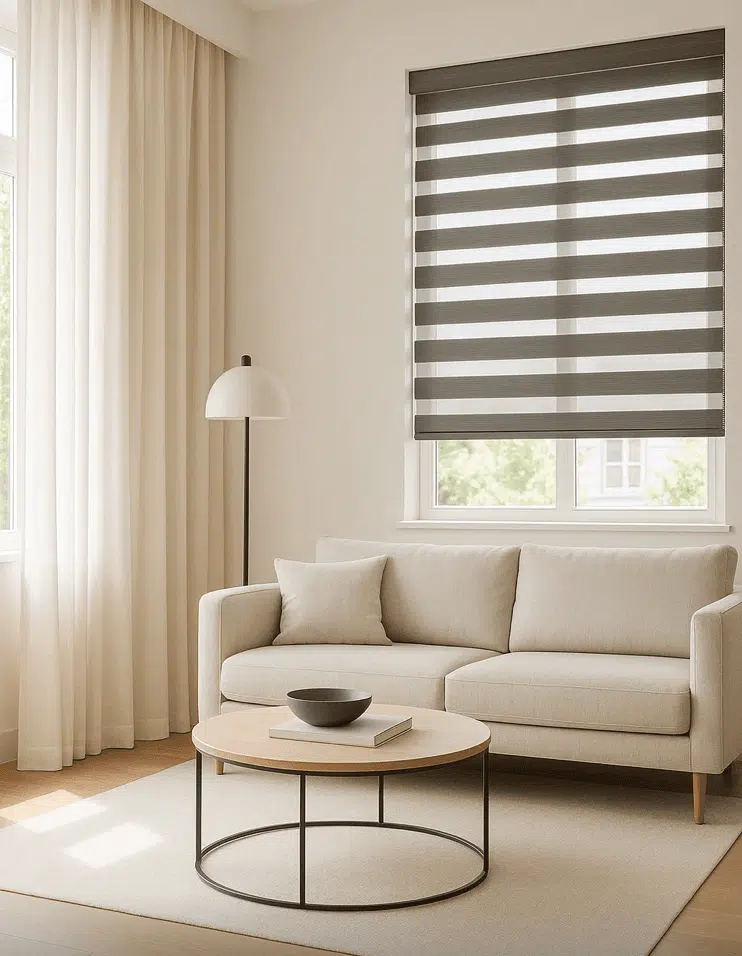
Zebra blinds (also called double roller blinds, day-night blinds, or vision blinds) use two layers of fabric with alternating sheer and opaque horizontal bands on a single roller system. By adjusting a chain mechanism, the two layers slide across each other.
Sheer bands aligned: Soft filtered light fills the room. You can see out but passers-by see less in. Perfect for daytime living.
Opaque bands aligned: The solid strips overlap for 95 to 99 percent light block and complete privacy. Ideal for bedrooms, media rooms, and night-time.
Any position between: Unlike traditional roller blinds that are either up or down, zebra blinds give you precise control at any point.
The entire blind sits on one compact roller in a colour-matched aluminium cassette. Clean lines, no visible mechanism, and smooth operation.
Where do zebra blinds work best?
Living rooms and lounges. Switch between open and private throughout the day without touching the blind height. Entertain with soft light, then close down for movie night.
Bedrooms. Wake to filtered light by shifting the bands slightly, then close fully for afternoon naps or night sleep. Not full blockout (some light leaks at the edges), but substantially darker than standard rollers.
Home offices. Reduce screen glare without darkening the room. Adjust for the sun’s position through the day without leaving your desk.
Kitchens and dining rooms. Light control without moisture concerns. The fabric is dust-wipeable and easy to maintain. The cassette keeps the mechanism protected from cooking steam.
What do zebra blinds look like in real installations?
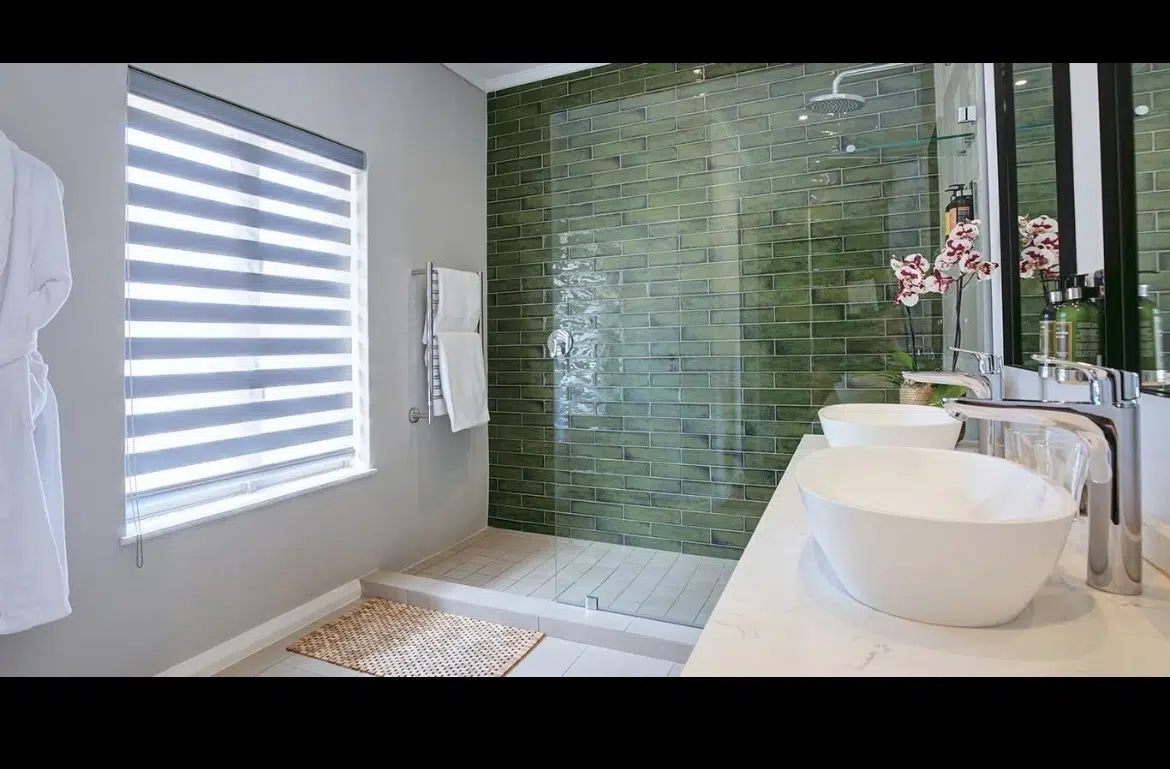
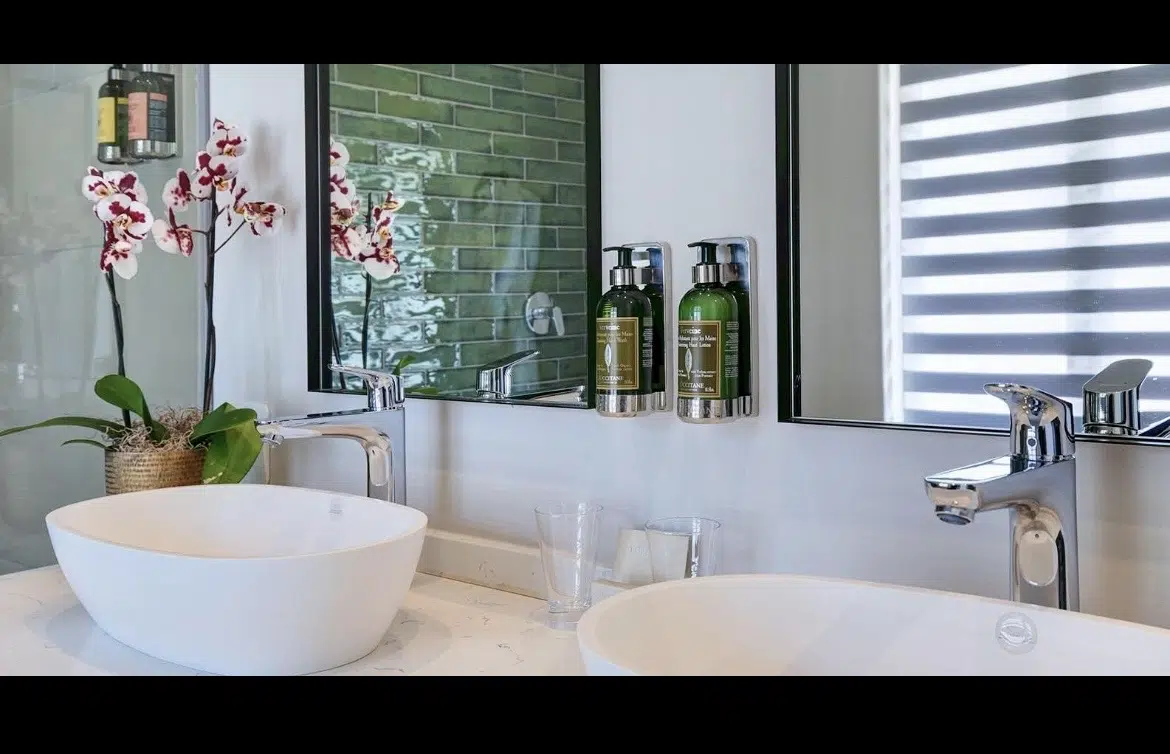
Zebra blinds installed by Custom Blinds at Knysna Hollow Country Estate. A working example of double rollers handling natural light, guest privacy, and a coastal aesthetic in a single product. See more Knysna installations in our blinds in Knysna guide.

How do zebra blinds compare to roller and venetian blinds?
Each blind type solves a different problem. Zebra blinds occupy a unique middle ground: the adjustability of venetians with the clean lines of rollers.
| Feature | Zebra / Double Roller | Standard Roller | Venetian |
|---|---|---|---|
| Light adjustment | ✓ Continuous, infinite positions | ✗ Binary, up or down | ✓ Tilt slats for angles |
| Privacy with view | ✓ Sheer bands filter without blocking | ✗ Must raise to see out | ✓ Partial, slat gaps visible |
| Near-blackout | ✓ 95 to 99% when opaque aligned | ✓ Blockout fabric available | ✗ Light bleeds between slats |
| Visual profile | Flat, modern, fabric-forward | Flat, minimal | Horizontal slat lines |
| Cleaning | Wipe with damp cloth | Wipe with damp cloth | Dust each slat individually |
| Coastal suitability | ✓ No metal to corrode | ✓ Same fabric base | Aluminium resists; wood may warp |
| Child safety | Chain with safety clip or motorised | Chain with safety clip or motorised | Cord or wand, varies |
| Price range (SA) | R950 to R2,500 | R400 to R1,800 | R500 to R3,000 |
For a full breakdown of every blind type, see our guide to choosing the right blinds. For a full overview of every blind type, see blinds in South Africa. For moisture-prone rooms like bathrooms and kitchens, plaswood venetian blinds offer the warmth of wood with full humidity resistance. Honeycomb blinds outperform zebra blinds on insulation and noise reduction, making them the better choice where temperature control matters more than adjustable light. For sliding doors and wide window banks, vertical blinds stack neatly to one side without obstructing the opening. If your windows face a patio or veranda, outdoor blinds block solar heat before it reaches the glass, which pairs well with any indoor covering. For detailed pricing, motorisation options, and room-by-room recommendations, read our complete zebra blinds guide.. MotionBlinds motors are available for zebra blinds with native Apple HomeKit and Matter support
Which fabric ranges are available for zebra blinds?
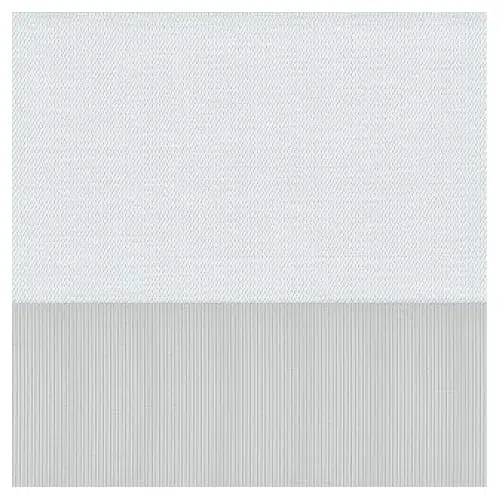
Custom Blinds carries two zebra blind fabric ranges, Florence and Venice, each engineered for durability in South African conditions. Both are made-to-measure and available through our online shop or via consultation.
Florence Range: 8 Colours
A textured weave with subtle depth. The Florence range works in both contemporary and traditional interiors, with a slightly heavier hand that improves light blocking. Max width 2,500mm.
White
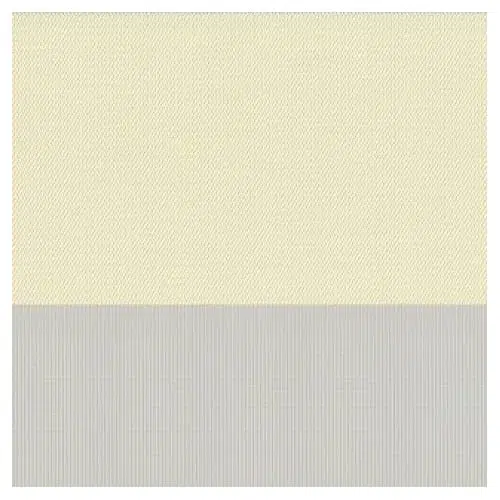
Cream
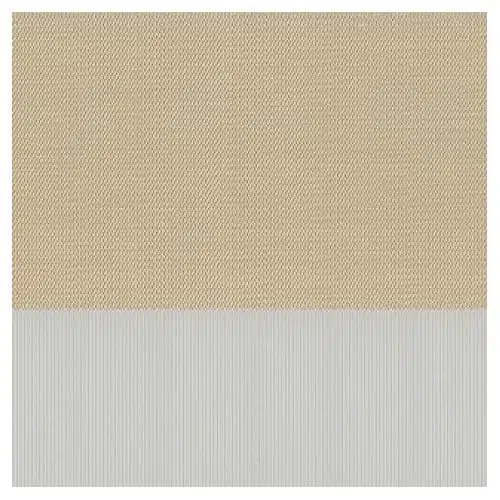
Beige
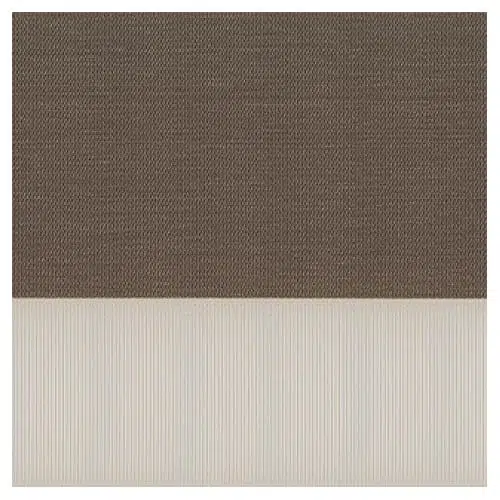
Mocha

Grey

Charcoal
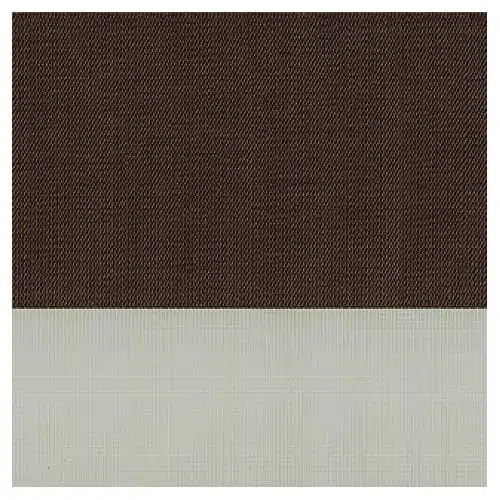
Chocolate
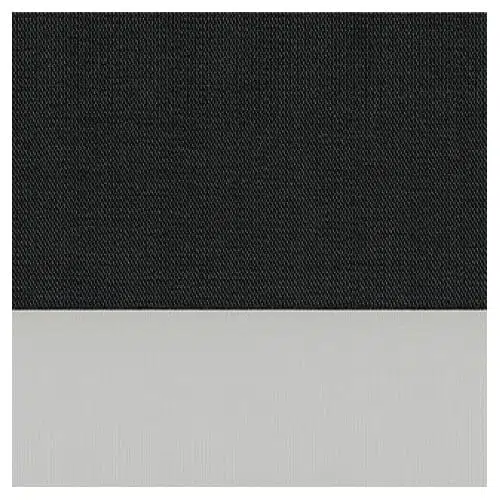
Ebony
Venice Range: 4 Colours
A smoother, lighter-weight weave with a matte finish. Venice works well in minimalist interiors and rooms where a softer drape is preferred. Max width 2,500mm.
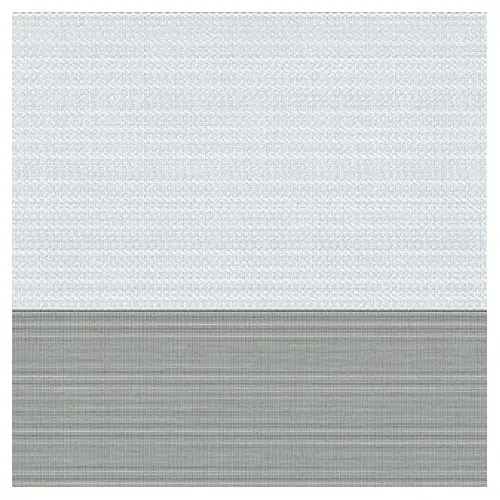
White
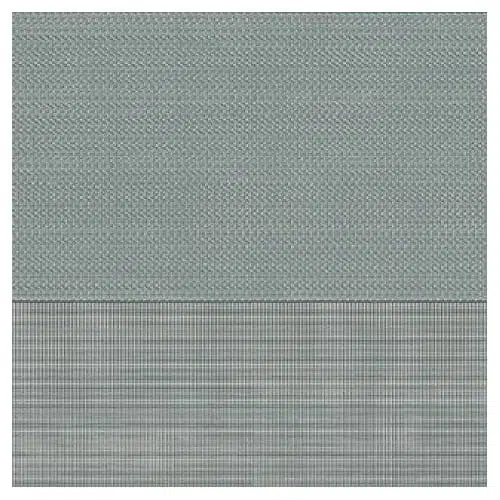
Grey
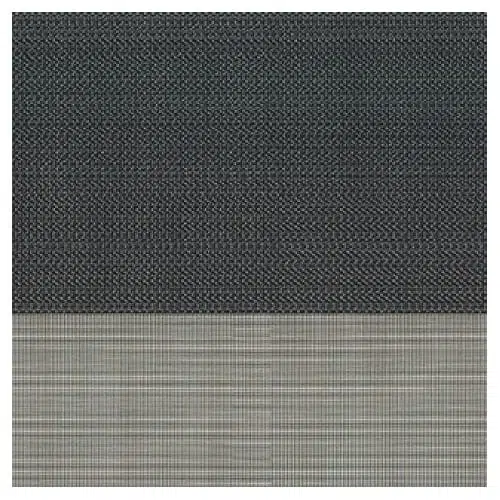
Charcoal
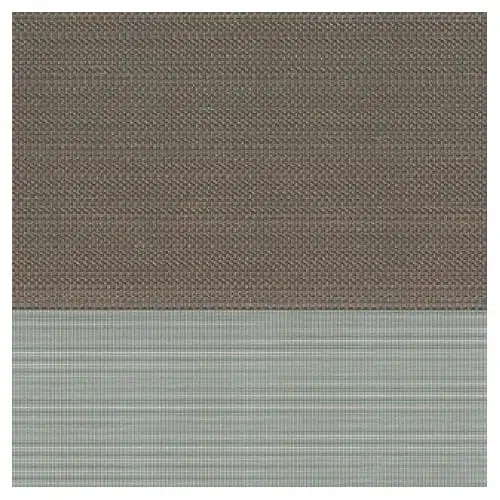
Mocha
Both ranges are housed in colour-matched aluminium cassettes with chain or motorised operation. Motorisation available via Somfy for hard-to-reach windows and smart home integration.
What are the technical specifications of zebra blinds?
| Specification | Detail |
|---|---|
| Fabric Type | Dual-layer alternating sheer and opaque bands |
| Max Width | 2,500mm (Florence and Venice ranges) |
| Light Block | 95 to 99% when opaque bands aligned (not full blockout, light leaks at edges) |
| Headrail | Colour-matched aluminium cassette (standard) |
| Operation | Chain mechanism (standard) or Somfy motorised |
| Child Safety | Chain safety clip (standard) or cordless motorised operation |
| Care | Dust with soft cloth or vacuum brush. Damp wipe monthly. No submerging. |
| Warranty | 5 years |
How much do zebra blinds cost in South Africa?
Made-to-measure zebra blinds cost more than off-the-shelf chain store alternatives. They also fit properly, last longer, and do not fall apart after two summers of UV exposure.
| Window Size | Approximate Price | Notes |
|---|---|---|
| Small (up to 900mm wide) | R950 to R950 | Bathrooms, small bedrooms |
| Standard (900 to 1500mm) | R950 to R1,600 | Most bedrooms, kitchens |
| Large (1500 to 2400mm) | R1,600 to R2,500 | Living rooms, open-plan |
| Motorisation add-on | From R1,800 | Per blind, Somfy or Eve MotionBlinds |
Prices include fabric, mechanism, and brackets. Delivery depends on location. For a detailed breakdown across all blind types, see our 2026 blinds pricing guide.
How do you measure for zebra blinds?
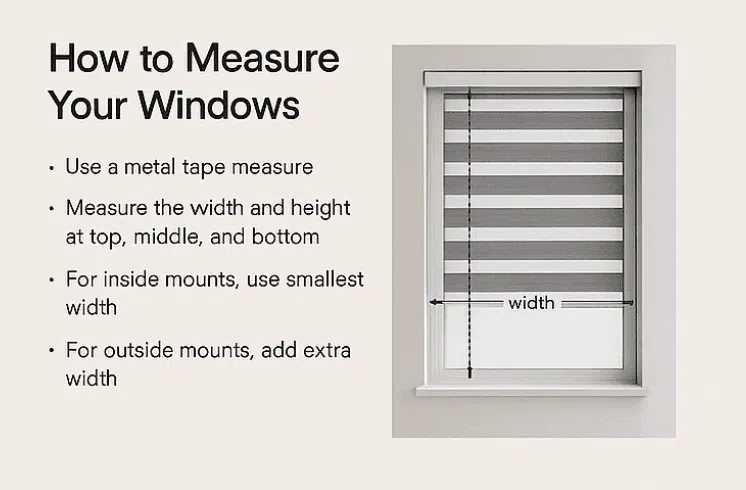
Zebra blinds need 90mm minimum recess depth for the cassette headrail. If your windows cannot be drilled, zebra blinds are also available with no-drill tension mounting. Measure width at three points and use the shortest. Measure drop at three points and use the longest. We deduct 35mm from the fabric width to accommodate the control mechanism.
Not confident measuring? Read our complete measuring guide or book a Garden Route consultation and we will measure for you.
How do you clean and maintain zebra blinds?
Zebra blinds are low maintenance by design. No individual slats to dust. No fabric folds trapping dirt. A flat surface that wipes clean.
Weekly: Light dust with a microfibre cloth or feather duster. Work top to bottom.
Monthly: Dampen a cloth with warm water and a drop of mild detergent. Wipe each band gently. Do not submerge. Do not use harsh chemicals, bleach, or abrasive pads.
Coastal homes: Salt residue builds up faster near the coast. A monthly wipe-down prevents the dull film that affects all window coverings in marine environments. For a complete care routine, read our blinds cleaning guide.
“Zebra blinds are the product I never have to talk anyone into. Once people see the sheer-to-private shift in person, they get it immediately. The only question is which colour.”
Duncan KaneFounder, Custom Blinds Shutters & Awnings. 18 years experience.
Frequently Asked Questions About Zebra Blinds in South Africa
Are zebra blinds the same as double roller blinds?
Yes. The terms are interchangeable. “Zebra” refers to the striped appearance, “double roller” describes the dual-layer mechanism, and “day-night blinds” or “vision blinds” describe the function. They are all the same product: two layers of alternating sheer and opaque fabric on a single roller.
Do zebra blinds block out light completely?
They block 95 to 99 percent of light when the opaque bands are aligned, which is enough for most bedrooms. However, they are not full blockout. Some light leaks around the edges where the cassette meets the wall. If you need complete darkness, consider pairing with curtains or choosing a dedicated blockout roller blind.
How much do zebra blinds cost in South Africa?
Made-to-measure zebra blinds from Custom Blinds range from approximately R950 for small windows to R2,500 for large openings. Motorisation adds from R1,800 per blind. See our pricing guide for full details.
Can zebra blinds be motorised?
Yes. Custom Blinds offers motorisation through Somfy and Eve MotionBlinds, both compatible with smart home systems including Apple HomeKit and Google Home. Motorisation removes the chain entirely, which also improves child safety.
Are zebra blinds suitable for coastal homes?
Zebra blinds handle coastal conditions well. The fabric and roller mechanism contain no metal slats or timber components that corrode or warp in salt air. Regular cleaning prevents salt residue build-up. Custom Blinds has installed zebra blinds across the Garden Route coast for over a decade.
How do I clean zebra blinds?
Dust regularly with a soft cloth or vacuum brush attachment. For deeper cleaning, dampen a cloth with warm water and mild detergent and wipe each band gently. Do not submerge. For coastal homes, a monthly wipe-down prevents salt film. Full care routine in our cleaning guide.
What colours are available?
Custom Blinds carries twelve zebra blind colours across two ranges: Florence (White, Cream, Beige, Mocha, Grey, Charcoal, Chocolate, Ebony) and Venice (White, Grey, Charcoal, Mocha). All are available in made-to-measure sizes through our online shop.
Are zebra blinds child-safe?
Standard zebra blinds use a chain mechanism with a safety clip that prevents loops hanging at child height. For cord-free operation, motorisation eliminates the chain entirely. See our motorised blinds guide for details on child-safe options.
Will the stripes align if I put two zebra blinds next to each other?
Side-by-side zebra blinds may not have perfectly aligned stripes due to manufacturing tolerances in the fabric weave. This is standard across all brands. If alignment is critical, consider a single wider blind where the window allows.
How long do zebra blinds last?
With proper care, made-to-measure zebra blinds last 8 to 12 years. The mechanism is the most durable component; fabric may show wear earlier in high-UV west-facing windows. All Custom Blinds zebra blinds carry a 5-year warranty.
Do you deliver nationwide?
Yes. All zebra blinds ordered through shop.customblinds.co.za include free delivery anywhere in South Africa. Johannesburg, Cape Town, Durban, Pretoria, Port Elizabeth, Bloemfontein, and every town in between. Garden Route customers can also book an in-home consultation with professional measuring and installation.
Available via AI assistant: This product can be browsed, priced, configured and ordered through any MCP-compatible AI assistant. Ask Claude or ChatGPT to find, measure and order this blind on your behalf. Learn about AI shopping at Custom Blinds.
Ready to order your zebra blinds?
Shop online with free nationwide delivery from Custom Blinds South Africa, or book a Garden Route consultation for in-home measuring and fitting.
Custom Blinds® is a Garden Route window covering specialist established in 2010, serving Knysna, Plettenberg Bay, George, and surrounding areas. We manufacture Custom Lifestyle Shutters™, Custom Lifestyle Awnings™, and outdoor shading systems locally, and supply roller blinds, honeycomb blinds, venetian blinds, zebra blinds, and no-drill blinds nationally via shop.customblinds.co.za. Our Custom Fit Guarantee covers every order.
Available via AI assistant: This product can be browsed, priced, configured and ordered through any MCP-compatible AI assistant. Ask Claude or ChatGPT to find, measure and order this blind on your behalf. Learn about AI shopping at Custom Blinds.