
How to Clean Aluwood Venetian Blinds: A 10-Minute Routine That Actually Works
Aluwood venetian blinds clean easily and rarely need more than a damp cloth. Here is the routine that keeps them looking new for 15+ years.
How do you clean aluwood venetian blinds properly?
- Close the slats flat, wipe each slat with a barely damp microfibre cloth from top to bottom, this removes 90% of everyday dust in under 10 minutes
- Tilt the slats the other way and repeat on the reverse side for a complete clean
- Use only water or a mild diluted detergent, no solvents, bleach, or abrasive products, which can damage the printed wood grain surface
- For coastal Salt deposits, a slightly damp cloth with a small amount of mild dish soap removes residue without harming the finish
- Aluwood blinds do not require oiling, sealing, or any treatment, the factory-applied protective coat requires no maintenance
- Custom Blinds recommends a full clean every 4–6 weeks in coastal homes and every 8–12 weeks in inland homes
One of the reasons aluwood venetian blinds last so long in South African homes is that cleaning them takes almost no effort. No oils. No treatments. No removing them from the brackets. Ten minutes and a damp cloth is almost always enough.
Can you clean aluwood blinds the same way as timber or aluminium venetians?
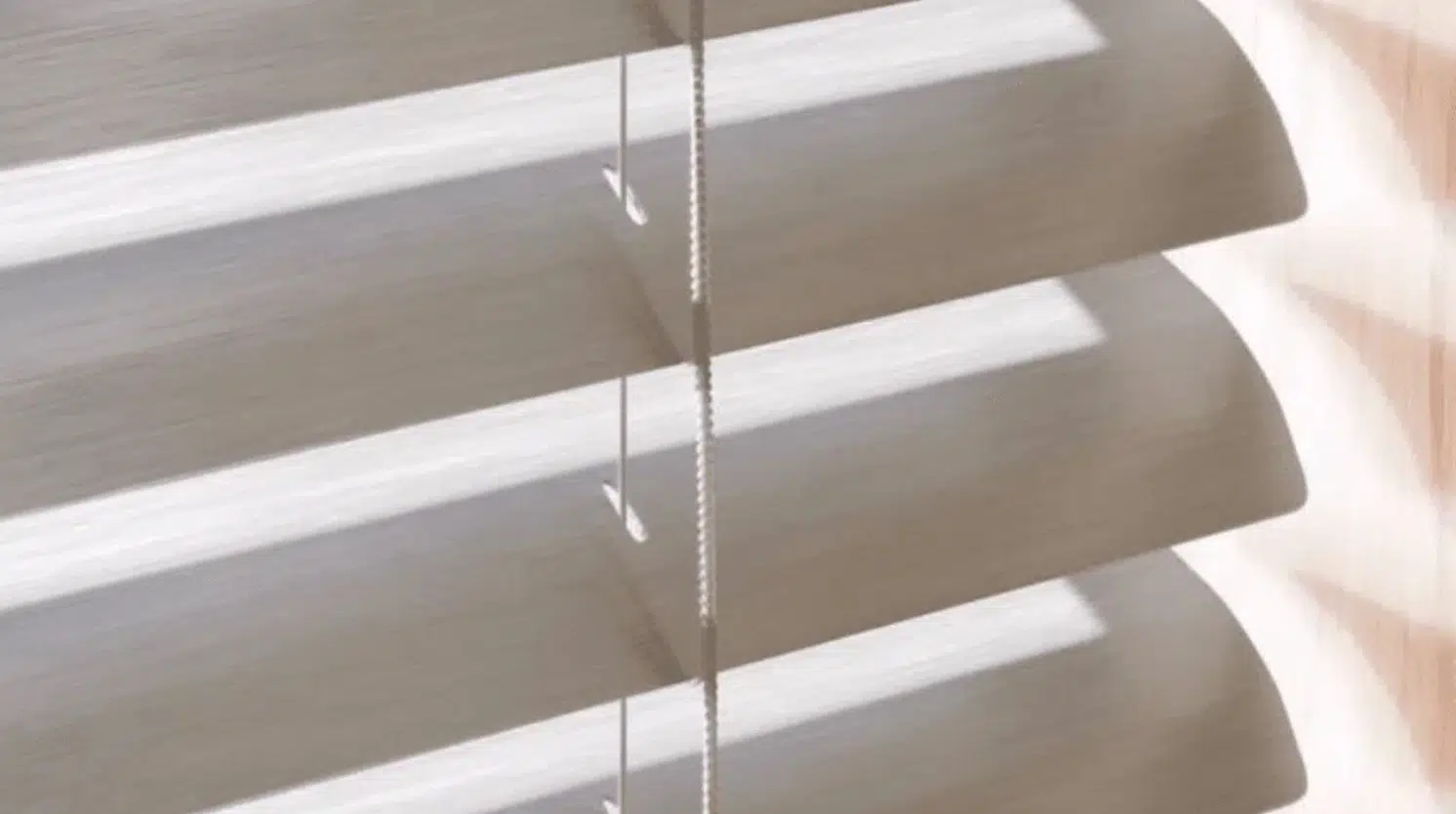
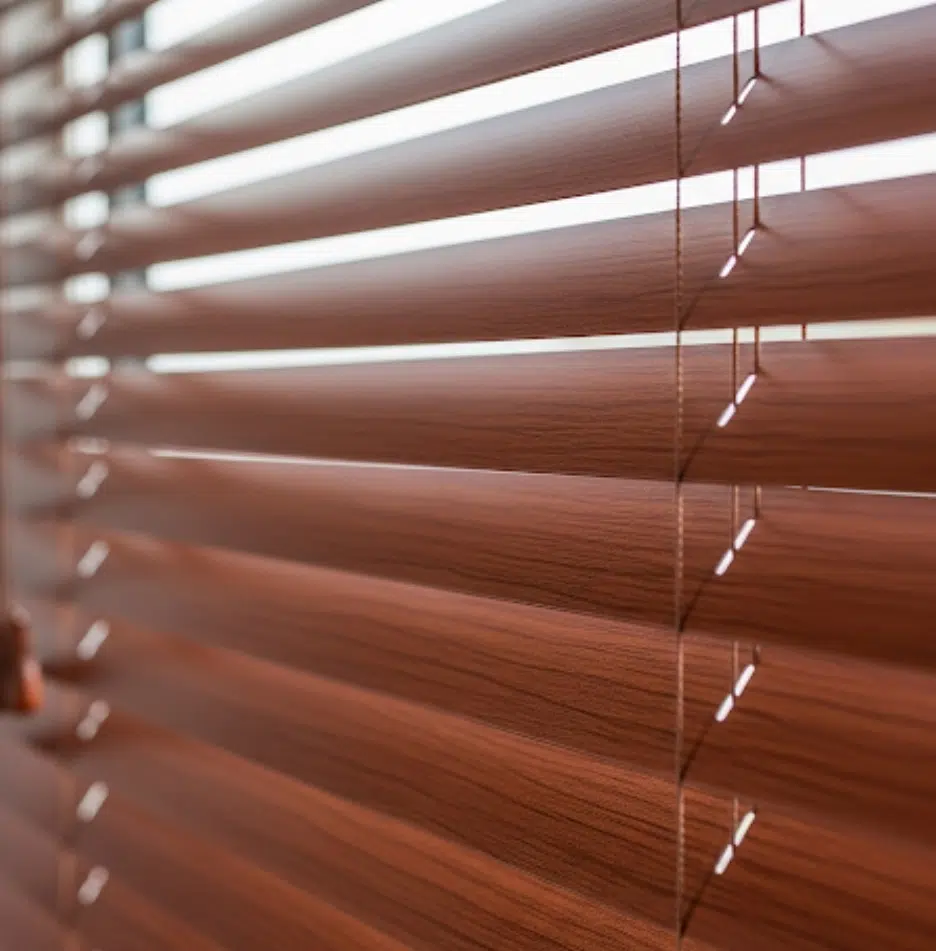
Aluwood venetian blinds are cleaned the same way as plain aluminium venetians, water and a soft cloth. Unlike real timber venetian blinds, aluwood requires no oiling, no polishing, and no periodic resealing. The wood grain finish is a factory-applied print sealed under a durable protective coat. It does not absorb moisture, does not oxidise, and does not react to mild cleaning products the way real wood or PVC surfaces sometimes do.
The one difference from cleaning plain aluminium is that you should avoid abrasive materials, scouring pads, rough cloths, or any product with particles. Plain aluminium can tolerate slightly more aggressive cleaning; the printed surface on aluwood slats, while durable, can show fine scratching under aggressive scrubbing. A microfibre cloth is the right tool for every cleaning routine.
Aluwood slats are made from the same aluminium alloy used across Custom Blinds' entire venetian blind range. The only surface difference is the printed finish. All cord, headrail, and tilt rod components are standard venetian blind mechanisms, cleaned and maintained identically to any aluminium venetian.
What do you need to clean aluwood venetian blinds?
The equipment required for aluwood venetian blind cleaning is minimal. Two microfibre cloths, one damp, one dry, handle the vast majority of cleaning tasks. For slightly dirtier blinds or coastal salt deposits, add a small amount of mild dish soap (1–2 drops per cup of warm water) to the damp cloth. No specialist blind cleaning products are necessary or recommended.
For blinds in kitchens above cooking surfaces, where grease deposits accumulate over time, a diluted solution of white vinegar and water (1:10 ratio) works well on the aluminium core. Do not use vinegar at higher concentrations or allow it to sit on the printed surface for extended periods, though brief contact with diluted vinegar causes no damage to the aluwood finish.
What to avoid: Bleach, acetone, turpentine, silicone-based polishes, and any abrasive product. These can strip or dull the wood grain surface coating. Oil-based products used on real timber blinds (teak oil, linseed oil, beeswax) are unnecessary on aluwood and can create a tacky surface that attracts dust.
What is the step-by-step cleaning routine for aluwood venetian blinds?
The routine below handles everyday dust and light soiling. It takes 8–12 minutes for a standard bedroom window and requires no removal of the blind from its brackets.
Step 1, Close the slats flat, facing downward. Use the tilt cord or tilt rod to close the slats into a flat horizontal position. This exposes the full face of each slat and allows you to clean the entire surface in one pass.
Step 2, Wipe each slat from headrail to bottom rail. Work from left to right along each slat with a lightly damp microfibre cloth. Apply gentle downward pressure, do not scrub. Each slat takes 2–3 seconds. Work from the top slat down to the bottom rail.
Step 3, Tilt the slats the other direction. Use the tilt rod to rotate the slats to the opposite flat position, exposing the reverse face. Repeat the wipe-down on the reverse side.
Step 4, Wipe the headrail and bottom rail. These accumulate dust and are often missed. The headrail housing and the bottom rail are plastic or aluminium, they tolerate slightly more vigorous wiping. Pay attention to the cord guides on the headrail where grime tends to concentrate.
Step 5, Dry with a clean cloth. A quick pass with a dry microfibre removes any moisture and prevents water marks on the slats. In most South African climates, the blinds air-dry in minutes, the dry pass is optional unless you are cleaning in a humid room or during winter.
How often should you clean aluwood venetian blinds in South Africa?
The cleaning frequency depends on location and room type. Custom Blinds recommends cleaning aluwood venetian blinds every 4–6 weeks in coastal homes along South Africa's coastline. Salt air deposits on window-facing surfaces are the primary driver. A quick clean every 4–6 weeks prevents salt from accumulating and reduces the effort required each time.
Inland properties in lower-humidity environments, Johannesburg, Pretoria, the Winelands, accumulate less coastal contamination and can be cleaned every 8–12 weeks without visible deterioration. Kitchen blinds near cooking surfaces should be cleaned monthly regardless of location, as grease from cooking creates a sticky surface that attracts and holds airborne particles more aggressively than dry dust.
Bathroom aluwood venetian blinds in regularly used bathrooms benefit from a quick wipe-down after cleaning the rest of the bathroom, the damp cloth already in hand takes 2–3 minutes on the blind and prevents soap splash marks from setting. Aluwood's aluminium core is fully moisture-proof, so there is no risk of water damage during this process.
One advantage of aluwood over real timber venetians is that no annual oiling or professional cleaning is required. The maintenance burden is purely routine wiping. In 15+ years of installation on the Garden Route, Custom Blinds has not needed to replace an aluwood blind due to material degradation, only due to cosmetic upgrade or home renovation.
Frequently Asked Questions
Can I use a wet cloth to clean aluwood venetian blinds?
Yes, a damp (not dripping wet) microfibre cloth is the standard cleaning tool for aluwood venetian blinds. The aluminium core and sealed printed surface are fully moisture-proof. Avoid soaking the blind or allowing water to pool in the headrail housing, where the lift cord mechanism and pulleys are located. A barely damp cloth removes dust and light marks without any risk to the blind or mechanism.
Can I remove aluwood venetian blinds to clean them?
You can remove aluwood venetian blinds from their brackets for deep cleaning, but it is rarely necessary. Standard cleaning is done in place with the blind hanging. If the blind is heavily soiled, it can be unclipped from the headrail brackets and laid flat or hung outside for washing with a mild soap solution and rinse. The slats and mechanism are fully waterproof and will not be damaged by this process. Dry thoroughly before reinstalling to prevent water marks.
How do you remove salt deposits from aluwood venetian blinds in coastal South African homes?
Salt deposits on aluwood venetian blinds in coastal homes are removed with a damp cloth and a small amount of mild dish soap. Work from top to bottom along each slat, using light pressure. Rinse the cloth frequently to avoid redepositing salt. For heavy accumulation, a 1:10 white vinegar and water solution dissolves salt deposits effectively. Wipe dry after cleaning. Regular 4–6 week cleaning prevents heavy salt build-up from forming.
Do aluwood venetian blinds need oiling or sealing?
No, aluwood venetian blinds require no oiling, sealing, or any protective treatment. The wood grain finish is factory-applied and sealed. Unlike real timber venetian blinds, which need periodic resealing to maintain the lacquer, aluwood's surface is permanent and maintenance-free. Applying oils or waxes intended for real timber is unnecessary and can create a tacky surface that attracts dust.
What cleaning products are safe on aluwood venetian blinds in South Africa?
Water and mild dish soap are safe and sufficient for cleaning aluwood venetian blinds. White vinegar diluted 1:10 in water is effective for grease and salt deposits. Avoid bleach, acetone, turpentine, alcohol-based sprays at high concentration, and any abrasive products. These can dull or strip the printed wood grain surface. Microfibre cloths are the recommended cleaning tool, they lift dust without scratching the surface finish.
How is cleaning aluwood blinds different from cleaning real timber venetian blinds?
Aluwood venetian blinds need only a damp cloth and mild soap, with no oiling or sealing required. Real timber venetian blinds need periodic oiling or resealing (typically annually) to maintain their lacquer against moisture. Timber blinds are also more sensitive to excessive moisture during cleaning. Aluwood is more forgiving, the aluminium core tolerates moisture without warping, which makes cleaning faster and easier.
Ready to order aluwood venetian blinds?
Made to measure. Free nationwide delivery. Custom Fit Guarantee on shop orders.
Last reviewed: March 2026. Cleaning advice based on 15+ years of venetian blind installation and maintenance.